How HublerX Drives Measurable Manufacturing Results
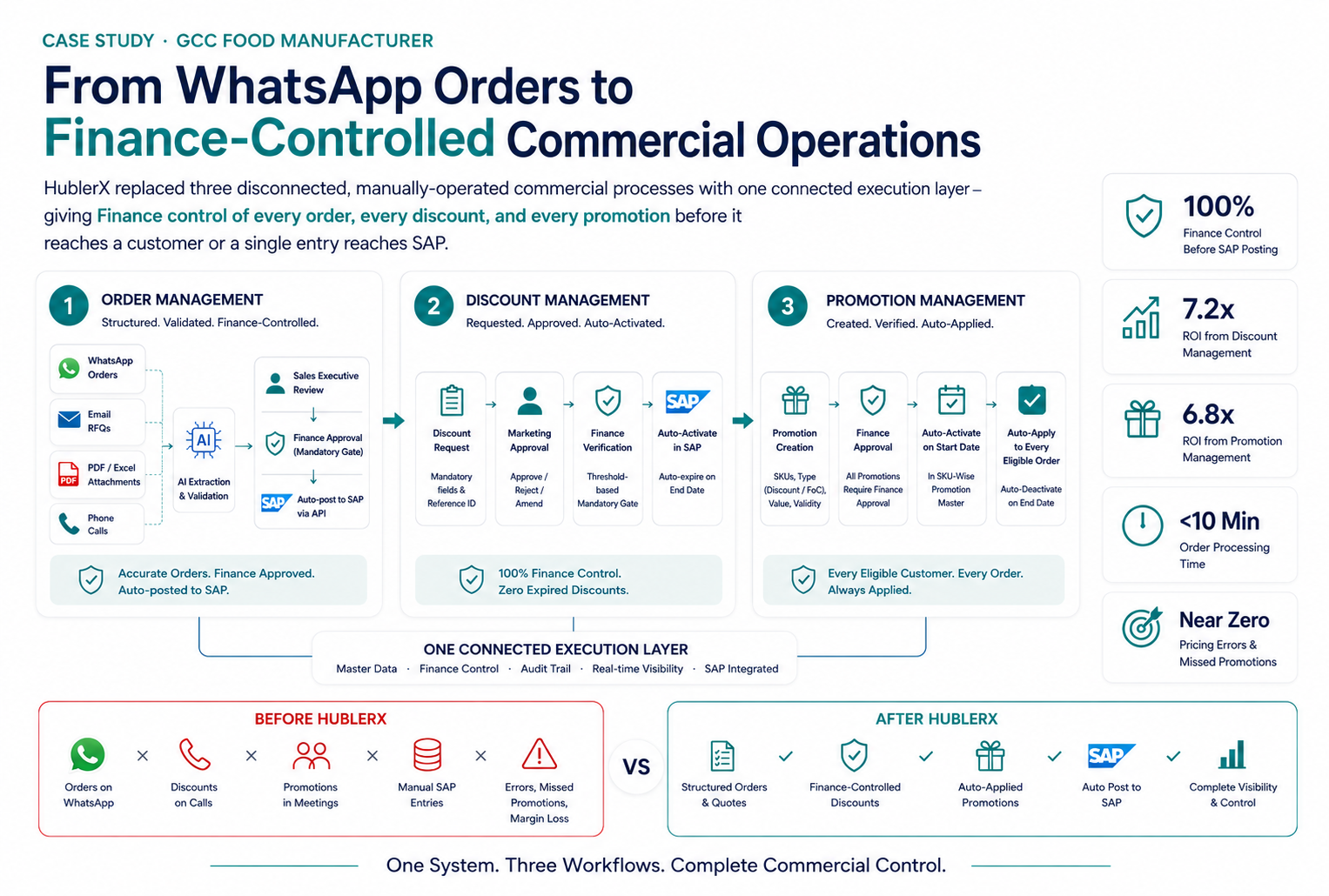
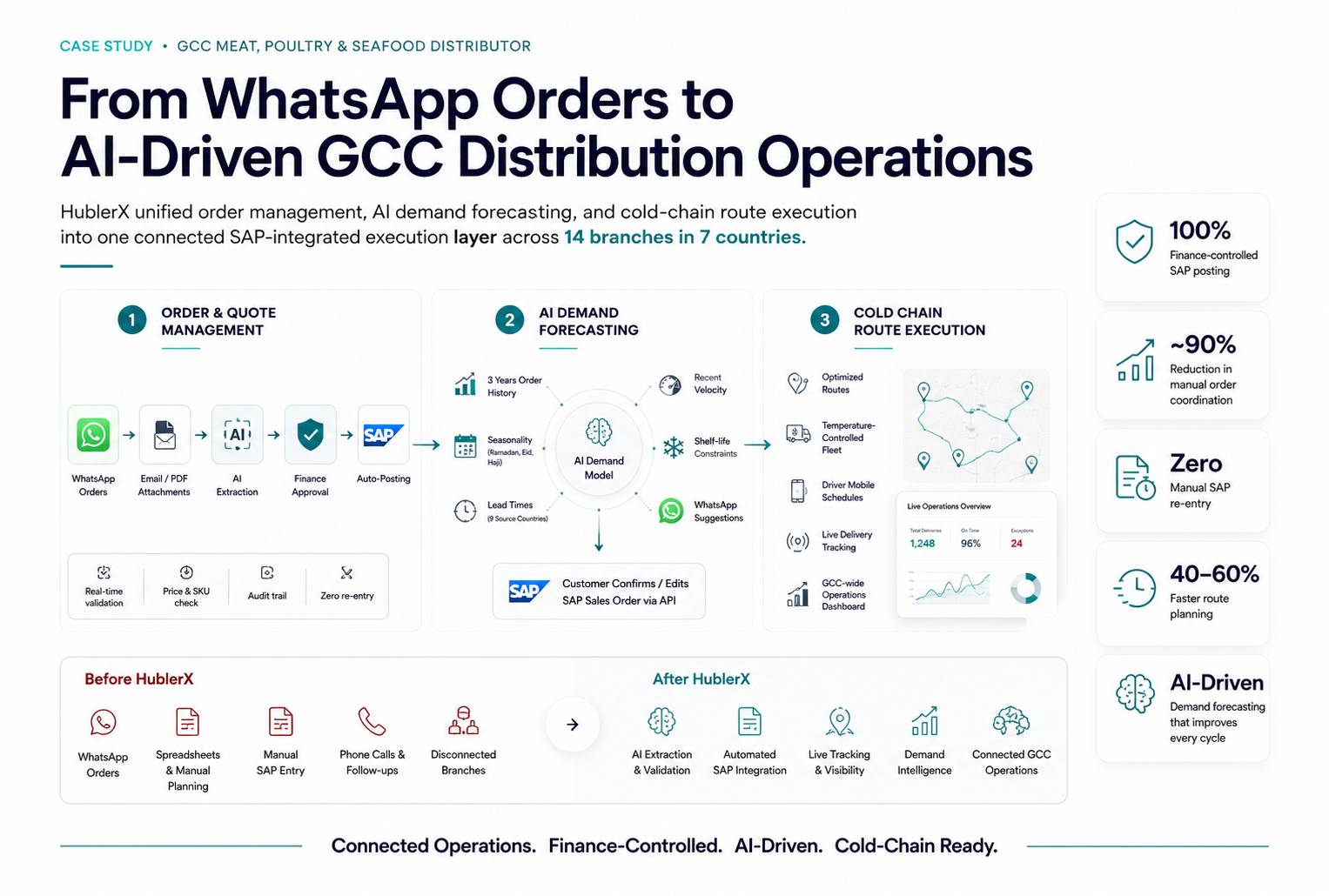
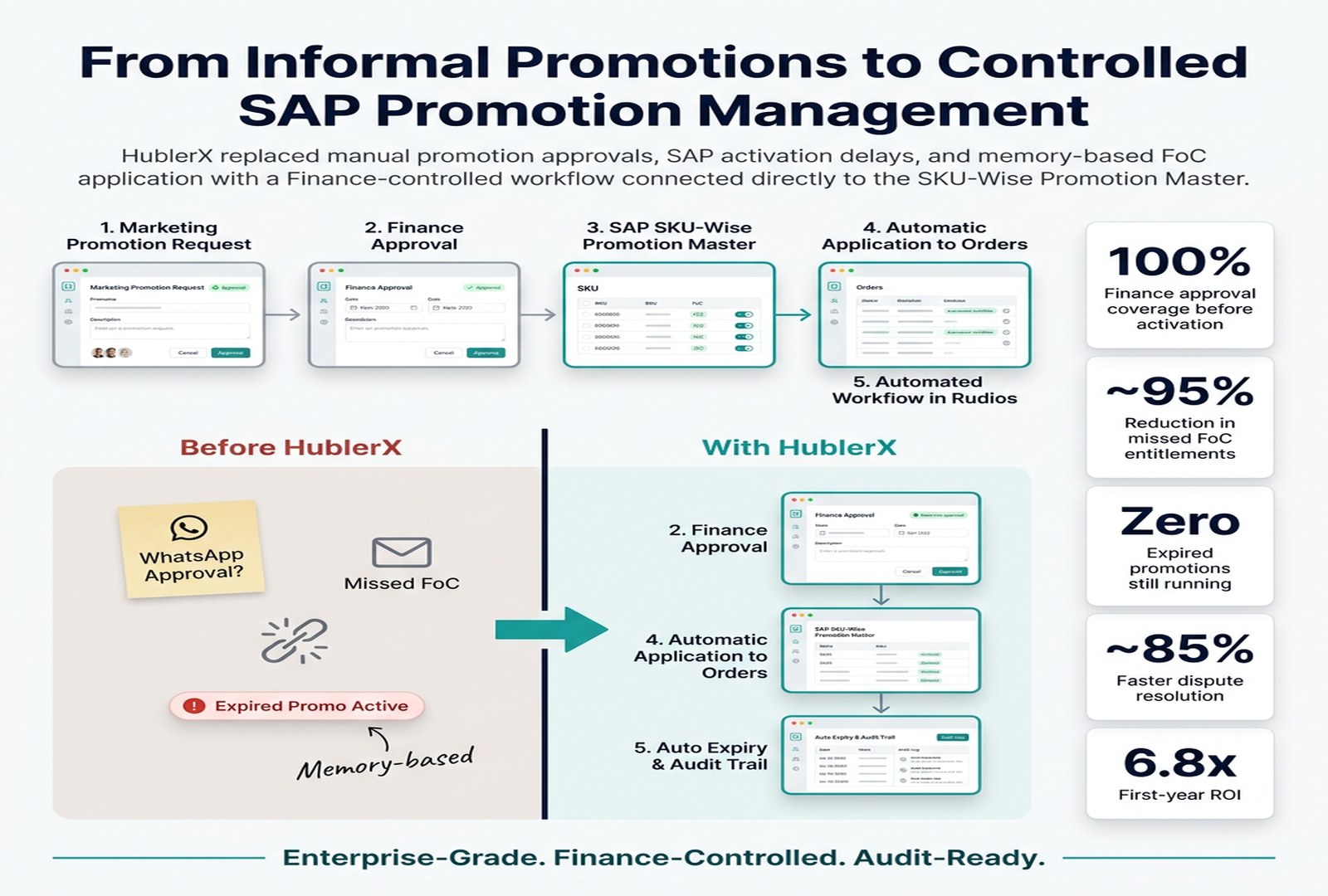
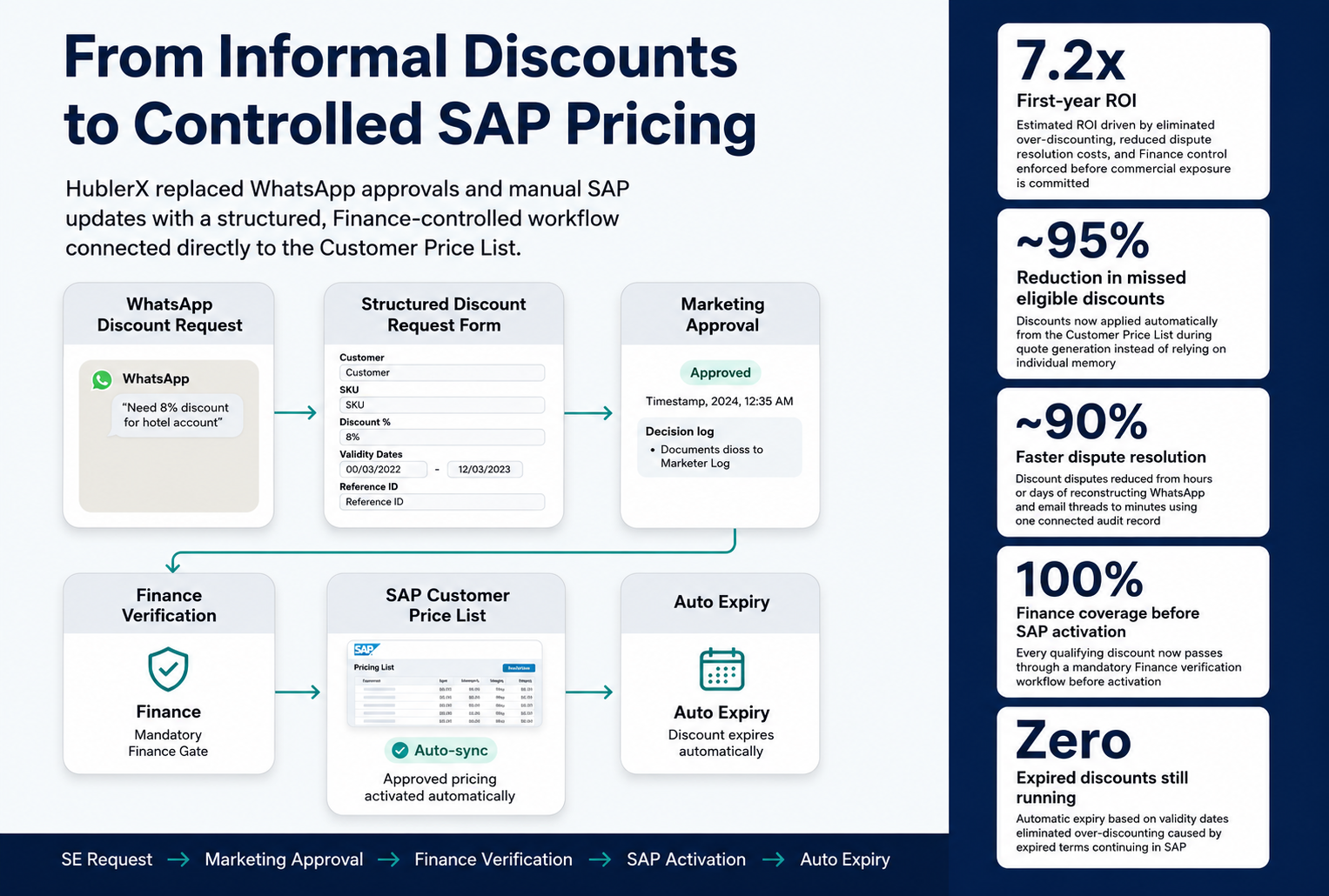
Every case study in this library represents a manufacturer who was struggling with fragmented operations — disconnected demand signals, manual planning cycles, reactive quality management, or opaque supply chains — and made the shift to a connected operating model with HublerX.
Our case studies span food and beverage manufacturers optimising production scheduling and reducing waste, FMCG distributors compressing order-to-dispatch cycles, chemical and process manufacturers enforcing tighter quality controls, and automotive suppliers closing the gap between production plans and shop floor reality. Each study documents the operational challenge in detail, the exact HublerX modules deployed, and the measurable outcomes achieved — typically within the first 90 days of go-live.
Unlike generic software case studies, HublerX documentation focuses on process-level outcomes: how many hours of manual re-entry were eliminated, how planning cycle time changed, what happened to fill rates and OTIF, how quality exception handling improved. These are the metrics that plant managers, supply chain heads, and operations directors care about — not vanity SaaS metrics.
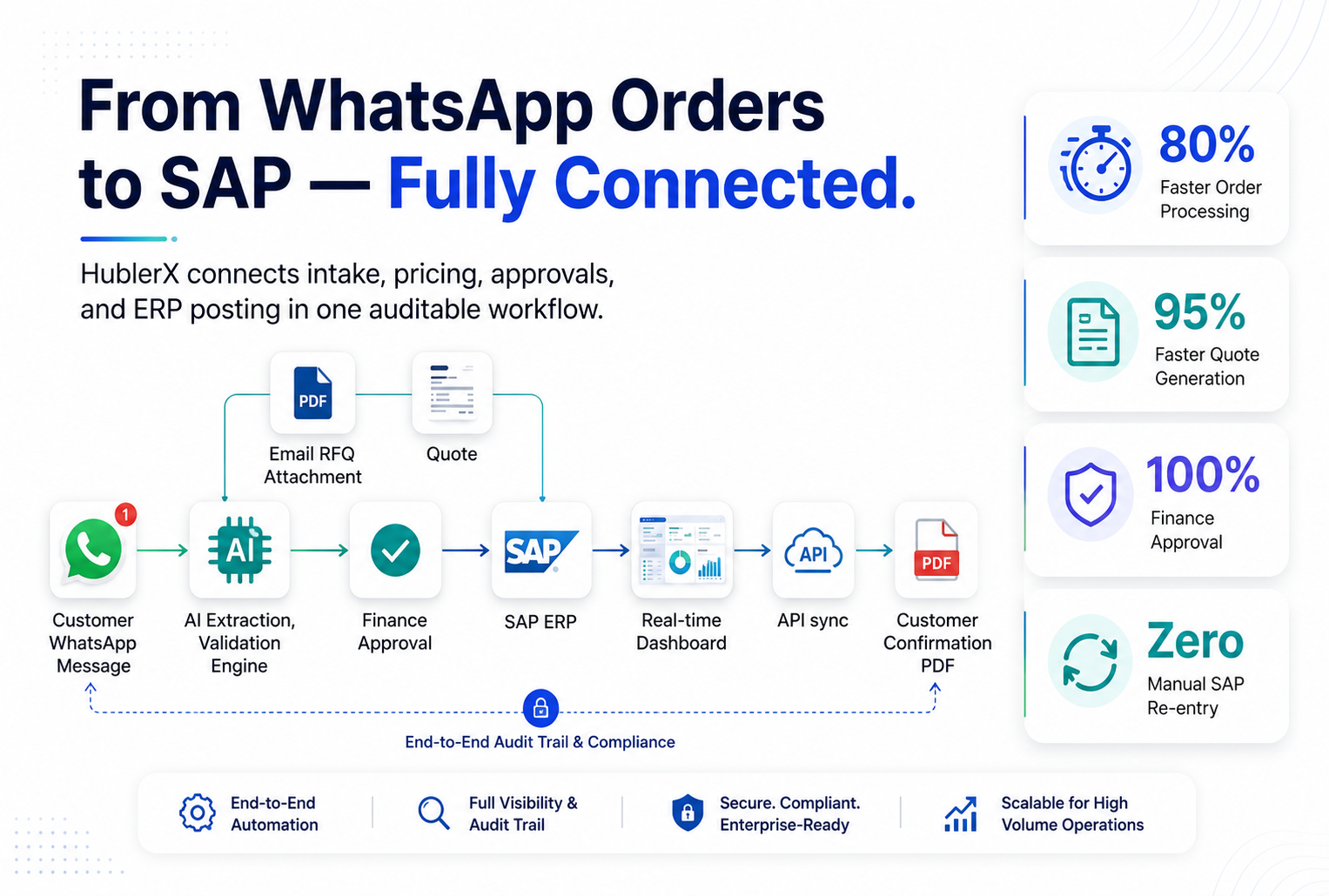
HublerX is ERP-friendly — all deployments in this library run alongside existing ERP systems such as SAP, Oracle, Microsoft Dynamics, and Tally. The platform does not replace the system of record; it adds an operational execution layer that connects demand, supply, production, quality, and logistics into one live operating view.
What These Cases Cover
Demand Planning
How manufacturers aligned demand signals to production capacity, reducing both overstock and stockouts.
Production Scheduling
How plants moved from manual dispatch boards to real-time production orders with live line tracking.
Quality Management
How quality exception workflows replaced spreadsheet-based NCR logging and rework tracking.
RFQ & Order Management
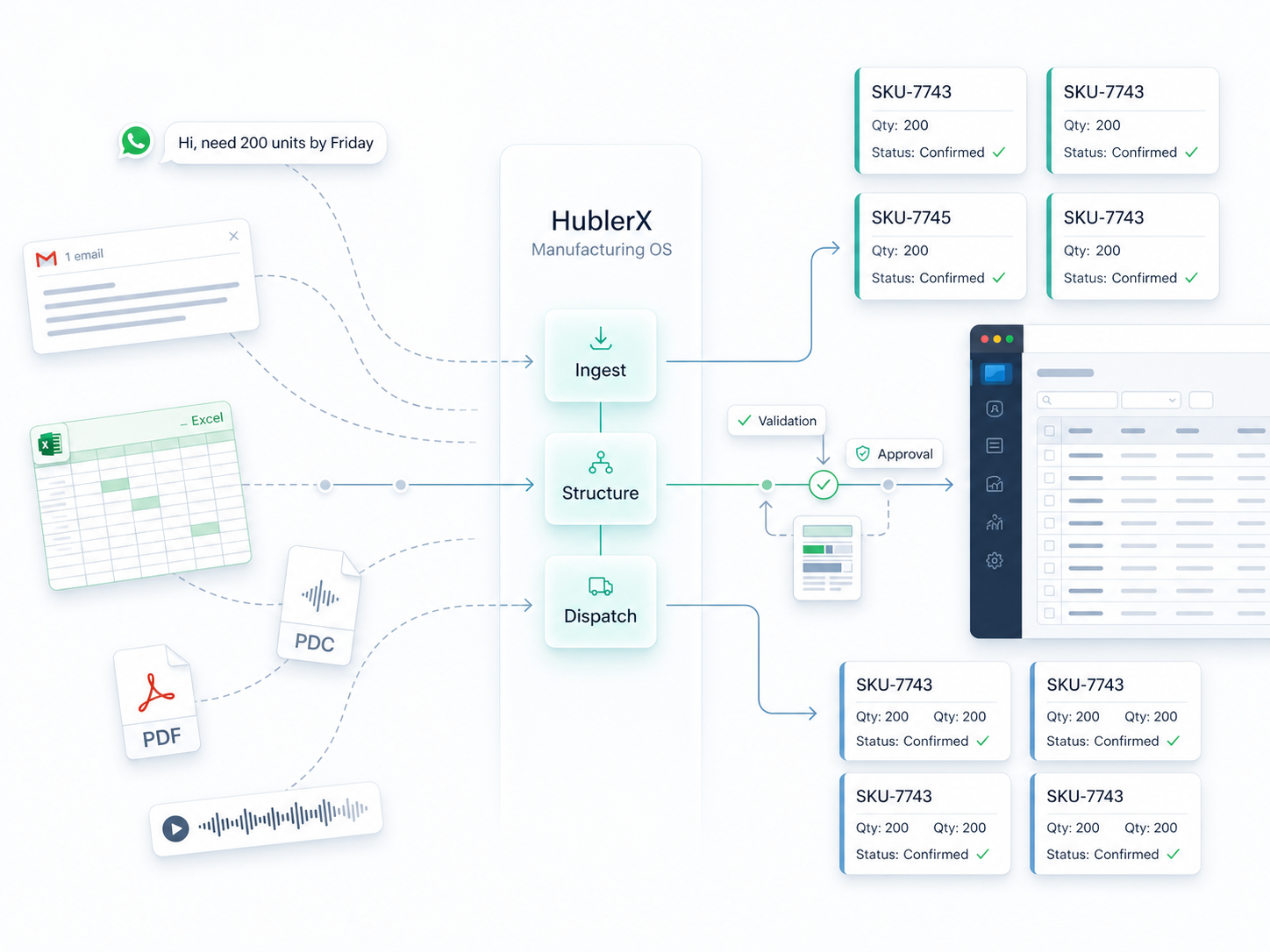
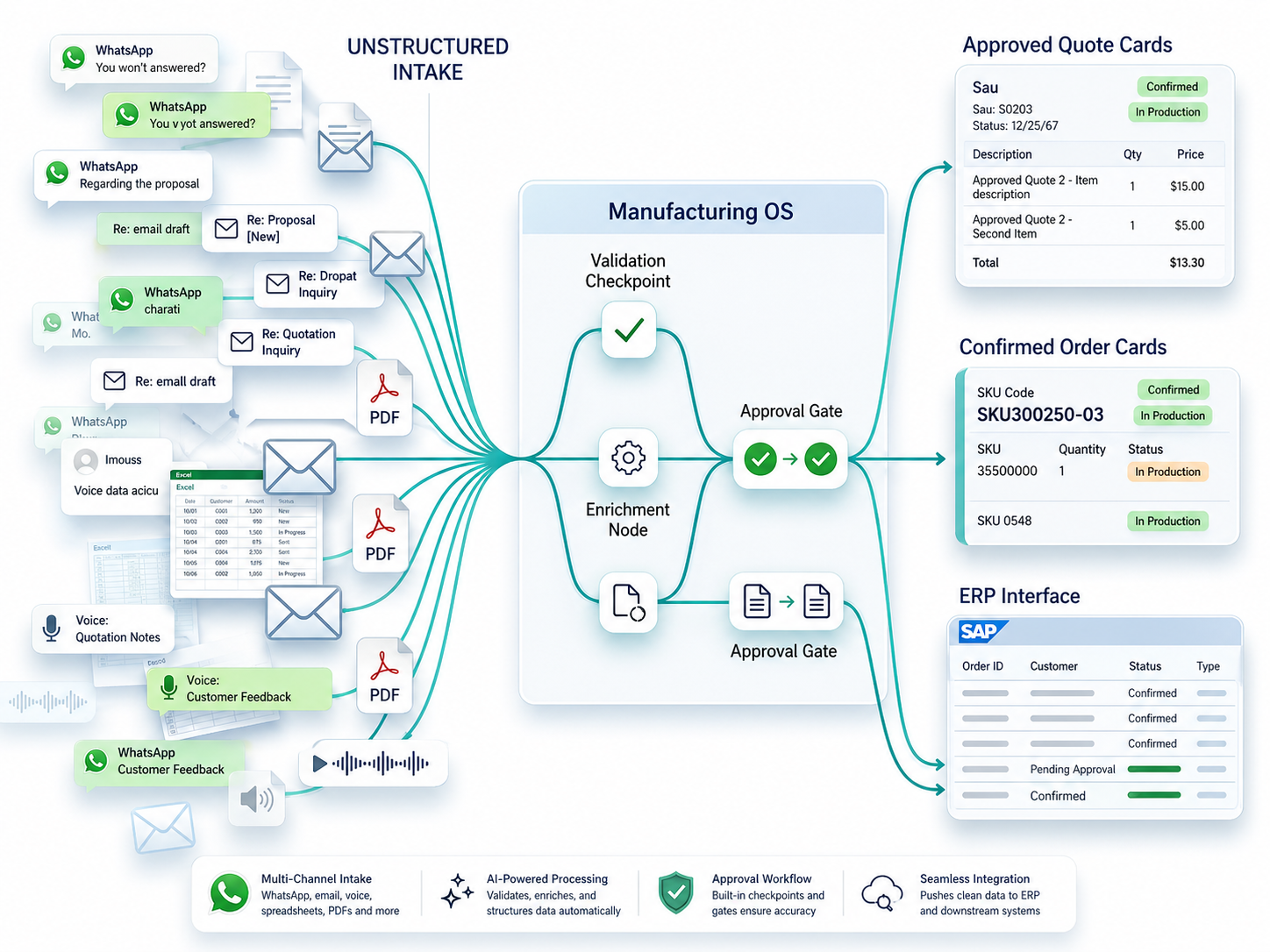
How sales and procurement teams standardised quote-to-order cycles with approval controls.
Supply Chain Visibility
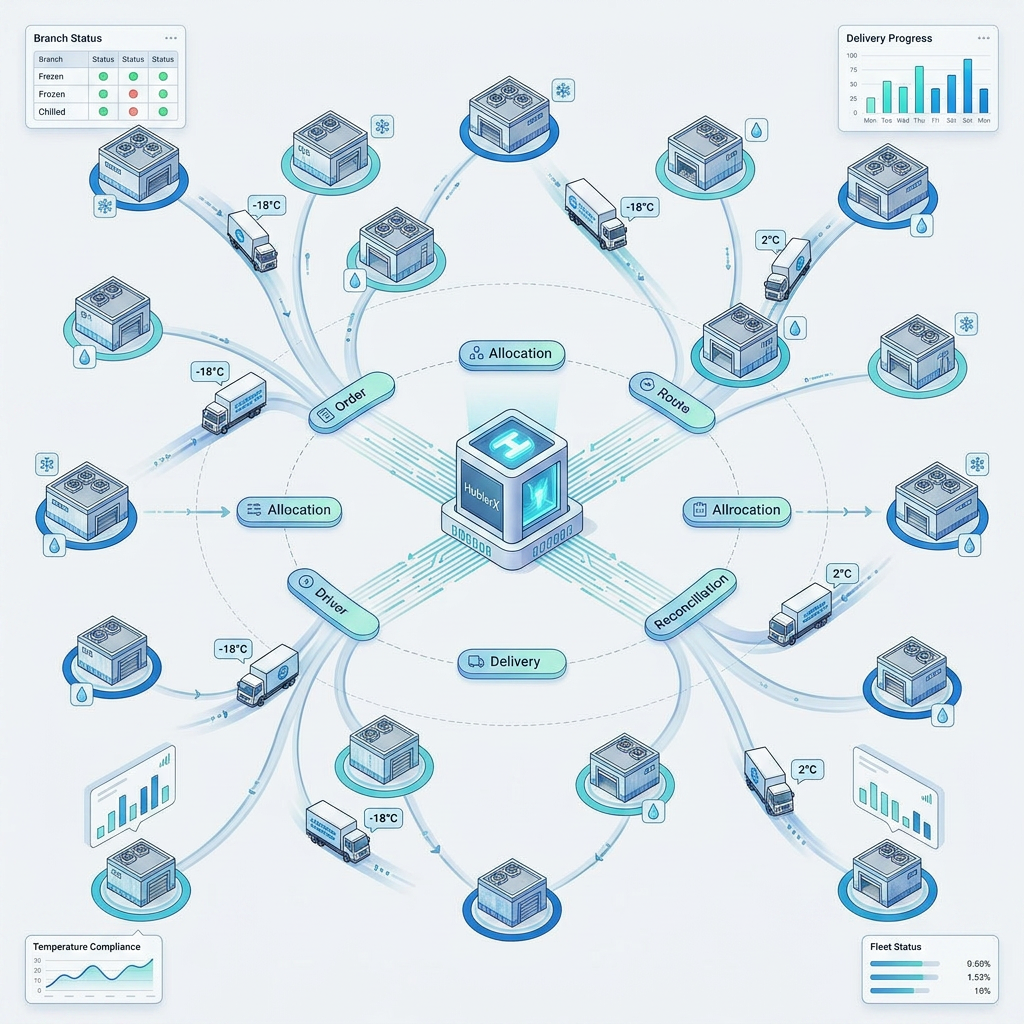
How supplier collaboration and inbound tracking reduced unplanned stoppages and material shortages.